We are also on Facebook, Instagram and Twitter!
 

Radio Schedule


Support our band and online radio!


Via PayPal


Thursday, September 7, 2006

Now tell me, come on, tell me history doesn't repeat itself.


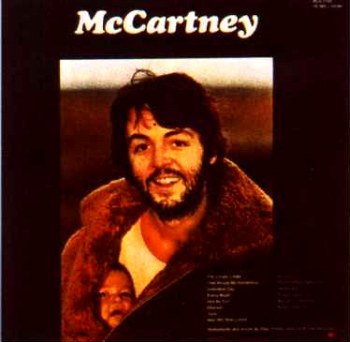
April 1970: Paul McCartney, criticized for just being himself, breaks up with the Beatles (or gets kicked out by John Lennon, depending on what side you're in) and releases his first solo album, McCartney (Apple, 1970.) On the back cover of the LP, a picture of him holding his first daughter, newborn Mary McCartney. Photo taken by Mary's mom, Linda Eastman McCartney.


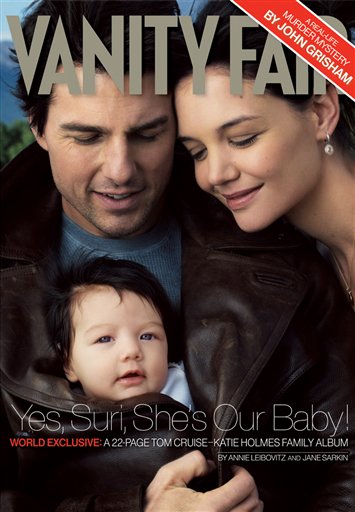
September 2006: Tom Cruise, criticized for just being himself, breaks up with Paramount (or gets kicked out by Paramount's CEO, depending on what side you're in) and is featured in a Vanity Fair pictorial (out next tuesday.) On the front cover of the magazine, he is holding his first daughter, newborn Suri, next to Suri's mom, actress Katie Holmes. Picture by Anne Leibovitz.

That would be something... meet you in the pouring rain, mama! tan, tan... tan-tan-tan, tan...


Yeah, I know, I should go to bed soon...

Tuesday, September 5, 2006

These videos will definetly cheer you up if you're having a bad time.

How about some Cheesy Bollywood:


Some Funny Bollywood (Extreme):


And some Classic Bollywood; as a matter of fact, a must-have DVD:


Find the titles and features for yourselves ;). Bollywood is something to be discovered and enjoyed.

Tuesday, August 29, 2006

Pink Floyd Live At Pompeii - The Director's Cut (Universal. Originally Released 1972, Director's Cut released 2003)

Es una grata sorpresa y a la vez un alivio saber que el video clip más asombroso que yo, Javier Moreno, he visto en mi vida está disponible en DVD. Para colmo, se inclye una versión "actualizada" por el director Adrian Maben... que se presenta como el principal show del disco.
Este DVD ha sido criticado por los fanáticos puristas de Floyd quienes han visto en Maben un afan de obtener dinero fácil arruinando una película legendaria de 30 años de antiguedad. 30 años en el rock equivalen a 2000 años en la civilización. Pero el DVD incluye la versión original que se lanzó en los teatros en 1972, así que no hay por qué quejarse. Pink Floyd Live At Pompeii se ha mantenido y a la vez "actualizado."
La película original estaba basada en una idea de Maben que consistía en poner a Pink Floyd tocando para el vacío, en medio del coliseo de las ruinas de Pompeya, ciudad arrasada por la lava del Vesubio en el año 72. Una obertura larga y espaciosa con "Echoes" nos presenta al cuarteto Floyd entrando en su mejor momento. Tocan con una energía, pasión y sincronía tal que su sonido se hace identificable al 100%. David Gilmour entrega sus mejores solos de guitarra, Nick Mason se luce en la batería, Rick Wright hace resonar de manera espectral sus teclados en las gradas de roca del coliseo y Roger Waters toca el bajo como si estuviera poseído. La cámara va de derecha a izquierda mostrándonos todo el equipo de sonido que Pink Floyd trajo desde Londres para un concierto ante una audiencia imaginaria. Una audiencia a la que se la llevó el volcán.

Echoes (Part I):


Un detalle interesante: sólo tres canciones fueron ejecutadas en el coliseo: "Echoes (Parts 1 & 2)," "A Saucerful of Secrets" y "One Of These Days I'm Going To Cut You Into Little Pieces". Esta última nos muestra a Nick Mason entregándose a la batería de una manera asombrosa: pierde una baqueta y la recupera sin perder el ritmo del bombo y del hi-hat. Roger Waters ha inyectado el efecto del echo y delay en su bajo y éste cabalga por toda la canción mostrándonos el sonido más hard-rock que Pink Floyd jamás logró. "Set The Controls For The Heart Of The Sun," la obra maestra compuesta por Waters en 1968, fue filmada en París luego de que el rodaje en Pompeya finalizara -por lo visto no tuvieron mucho tiempo para tocar por motivos turísticos de fuerza mayor-. "Careful With That Axe, Eugene" (el apocalípsis según San Floyd) y "Madmoiselle Nobs" (blues para perros depresivos) también fueron filmadas posteriormente en Francia, pero si uno no toma en cuenta este detalle, toda la obra calza perfectamente dentro de las ruinas de la ciudad.


One Of These Days I'm Going To Cut You Into Little Pieces:


Para la versión actualizada, Maben ha añadido efectos de computadora, filmaciones adicionales de Pompeya, entrevistas adicionales que no fueron incluídas en la versión expandida de la película -que incluía escenas de las sesiones dell Dark Side of The Moon- y una idea tan loca como las de Syd Barrett: hacer mostrar al mundo que extraterrestres llegaron de un planeta lejano, volando en un cohete, para escuchar a Floyd tocar en Pompeya. Personalmente yo prefiero la versión original de la película; pero por otro lado, es un gusto saber que Maben desea seguir expandiendo su obra, aún sabiendo que todas las escenas adicionales de la película original se perdieron por completo en el espacio-tiempo.


A Saucerful Of Secrets:


Universal ha presentado en DVD la versión original de la película y una versión "digital y widescreen" para nuevas generaciones que quizás se aburran de ver un zoom-in tan lento en "Echoes (Part 1)." Es comprensible que Maben busque difundir su obra una vez más, ahora que tiene la chance. No se merece la crítica agria de los fanáticos de Pink Floyd. Por último, él fue el de la idea original cuando su billetera se perdió en las gradas del coliseo. En medio de su desesperación vió al coliseo como el lugar más desolado y estremecedor del mundo. Y ahí vió a Pink Floyd tocando una música espectacular, tenebrosa y fascinante.

Set The Controls For The Heart Of The Sun (2003 Updated version):


Recomendamos obtener la versión expandida de 1974, en VHS. Ésta ha sido la versión disponible en video desde inicios de los ochenta.

Compre usted el Pompeyazo:


Más Floyd de la época de Pompeya. De más está decir que son super discos infaltables en cualquier colección (Oh, creo que Meddle lo tengo en cassette...)

Ummagumma (Harvest, 1969)


Meddle (Harvest, 1971)

Dark Side Of The Moon (Harvest, 1973; 30th Anniversary Edition on EMI/Capitol, 2003).

Monday, August 28, 2006

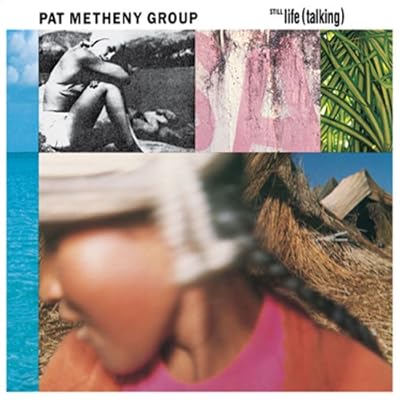
Still Life (Talkin') (Geffen, 1987)
PAT METHENY GROUP

After listening so many records by Pat Metheny, we realize this is the album that delivers the best of him and his close collaborators. It took us long to figure this out since we were looking for his virtuoso chops and determine which of his solos was the best in each album. Wrong move for a thrill-seeking listener: Pat's subject is melody, and Still Life is here to prove it.

We already know how good and fantastic the Pat Metheny Group can sound live and how amazingly the engineers can transfer that concert energy into records (Travels, The Road To You, Trio Live.) But have we heard a very detailed, maybe over-produced, Pat Metheny creation in a recording studio? Do we know how perfect an album can be and become, through the years, into a beloved companion of everyday life?

Guitar master Metheny and his co-leader, keyboard virtuoso Lyle Mays, create a perfect crossover jazz record out of a rock and roll recording studio and label: Geffen. After signing the contract, they got more studio time to work on certain details they didn't work on their previous records with ECM, their former record label.

First of all, Still life is ethereal and its music fragile and sensitive. It is an instrumental album full of references to emotions, more than objects or specific situations. The beginning of the record is inviting, and for someone who has never heard Pat Metheny's musical structures, this can be a revelation. "Minuano" introduces the listener to World Music on a crash course. Lyle Mays' synths carpet the way for David Blamires and Mark Ledford's haunting vocals, calling for a service in which the listener wildefinitelyly know what abstract means without feeling uncomfortable. The main melody of the tune is extremely whistle-friendly and will live in your head like a happy songbird for at least one month, just to be replaced by "So May It Secretly Begins." Like somebody whispering a secret to your ear, the song just amazes you little by little. If you listen carefully, Steve Rodby on Bass and Paul Wertico on drums will create little counterpoints with their instruments, while Lyle overflows the spectrum with his traditional synth playing.
The only "material" element we find is the subject of the third song, "Last Train Home,"A ballad with a locomotive-like percussion work that makes you want to just travel and feel you're leaving your own space. After setting this song as the solid center of the album, we can go back and forth into the magic of an album that can get the shapes we want, realizing that life is a journey indeed. This triumph of the band is the best song about train travel and departing ever written and performed.

If you had listened to the LP, "Train" is the last song of side one and to wake up from that dream, get up and flip the record will be hard to do; But it will get a reward with "(It's Just) Talk," another funky Metheny tune dressed with Brazilian percussion work from Armando Marcal. "Third Wind" pushes the band to their limits, playing very fast and enjoying it. It becomes the climax of side two and lets two final ballads,"Distance" and "In Her Family," end the record so quietly we won't even notice their existance. That ethereal.

Still Life, for the average listener, will be at the beginning just another PMG product; but the melodies and the quality of the playing make the listening experience just something else. This record will grow up on you and you'll be happy about it.

More links:

Pat Metheny talks about the making of this piece of art on this podcast.

www.patmethenygroup.com

Buy this album on Amazon.com:

More Metheny in Studio:

Letter From Home (Geffen, 1989): Pedro Aznar replaces Blamires and Ledford on vocals in this beautiful sequel to Life. "Better Days Ahead" is the best tune of the disc and that sets the band straight for the World Tour.

Zero Tolerance For Silence (Geffen, 1994): Not the Pat present in Still Life. Here's Pat playing a distorted and over-amplified guitar, for almost 40 minutes.

Wednesday, August 23, 2006

Don Ramon Rock And Roll

Que Dios bendiga al Brasilero que tuvo la brillante idea de combinar a Don Ramon y a Motorhead. No me he reido tanto desde hace mucho, mucho tiempo! A headbanguear!
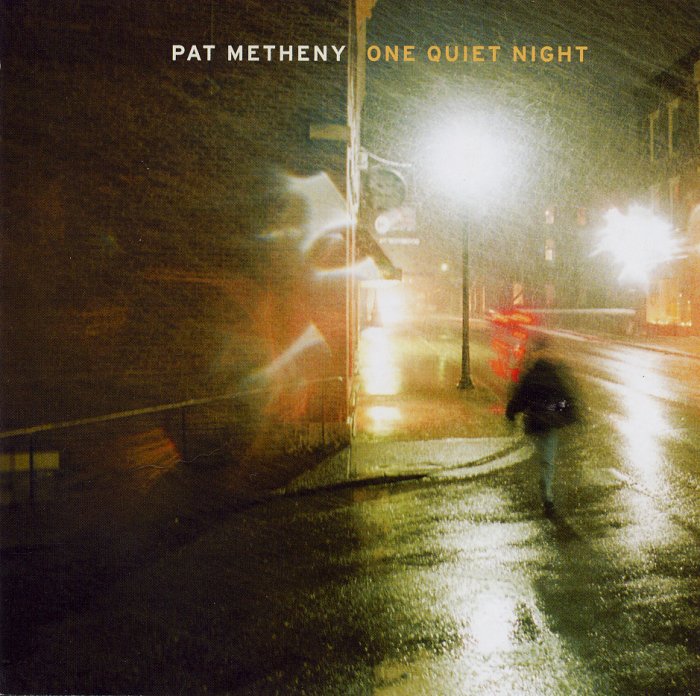
The 2003 release of Pat Metheny's One Quiet night was a total surprise for me since I didn't expect Pat to record a solo album, specially on a baritone acoustic guitar. The result is impressive and even more impressive considering Pat covering a Norah Jones tune ("Don't Know Why") and completely re making his own "Last Train Home."
Metheny, in this album, is in complete full form. He proved that in 30 years of career he still has way more to offer us, and he never settles down in a particular style. He is the ultimate world guitar traveler, and even tho his records don't reflect the sign of the times, they reflect his personal points of view. Quiet Night was a necessary stop to reflect his thoughts about the terrorists attacks of September 11.


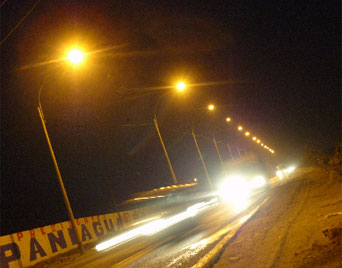
The album cover features a shot of a wet U.S. street in

the wee wee hours of the morning. Air humidity in Lima can reach up to 99.9% and I can easily compare One Quiet Night's cover this picture of Colonial avenue in 2005.

Anyways, there you go, two quiet nights in Earl's Summit, Missouri and Lima, Perú.

Tuesday, August 22, 2006

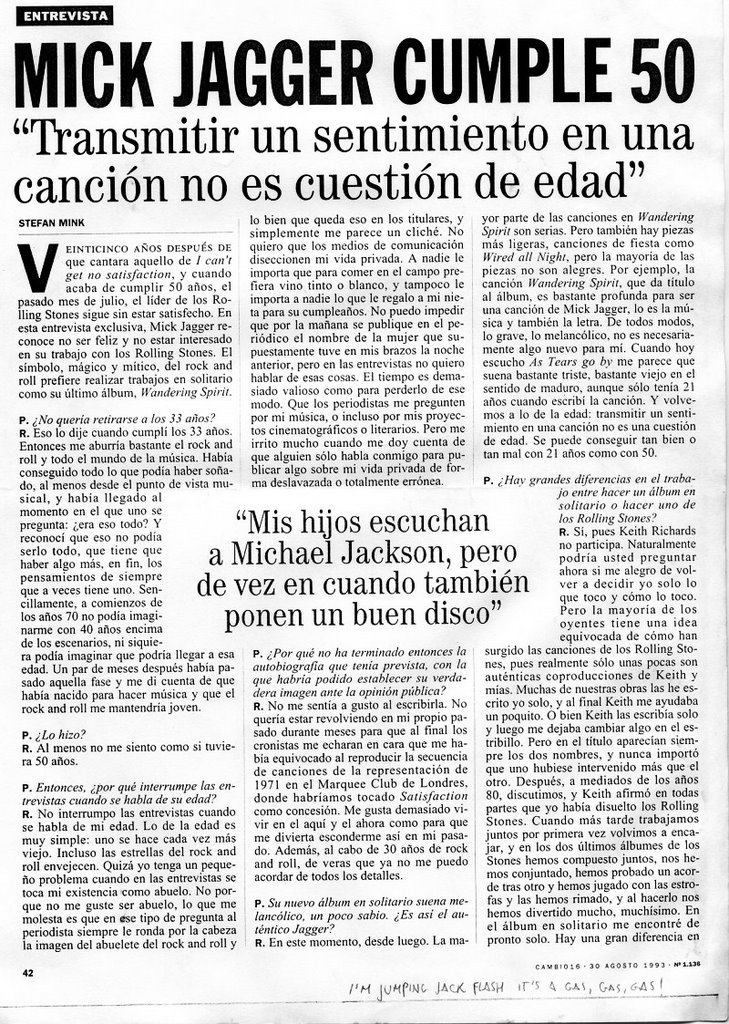
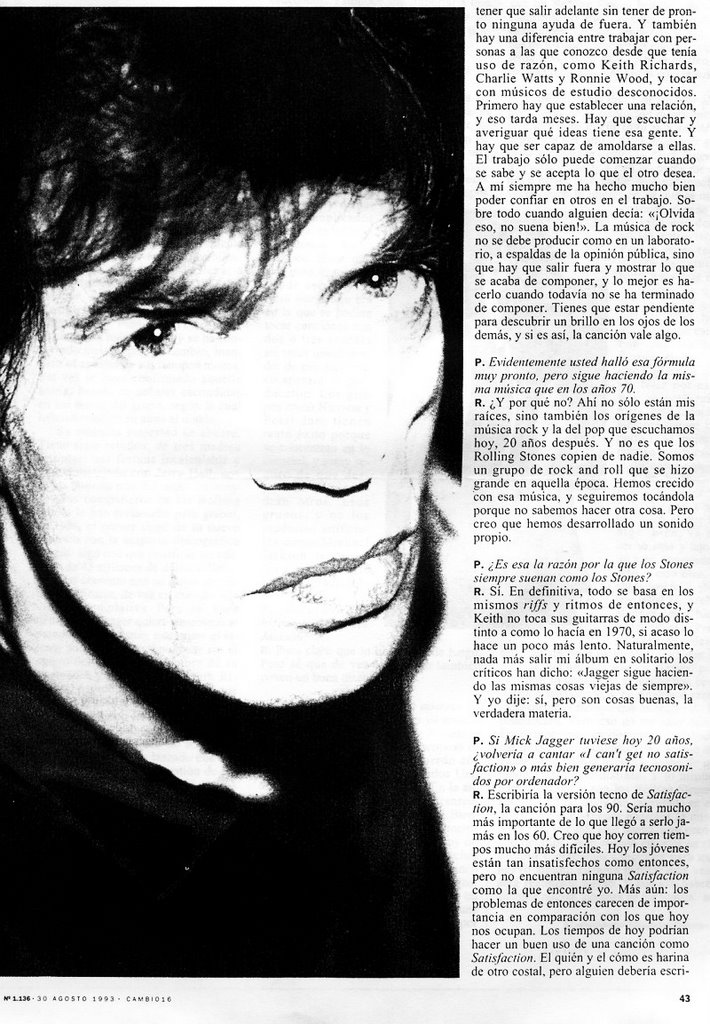
Mick Jagger llegó a los cincuenta en 1993, y la revista Cambio 16 publicó una entrevista al ya veterano cantante de los Stones. Podría parecer viejo, decrépito y listo para el retiro pero no, Mick no puede retirarse y él lo sabe. Si no se retiró en la gira del 72, menos se iba a retirar en 1993, con un excelente álbum solista llamado Wandering Spirit y cargando canciones para la gira del año siguiente con los Rolling Stones y el álbum Voodoo Lounge. En esta entrevista, Jagger filosofa sobre la vida y vicisitudes de la juventud moderna. Como siempre, profeta de los tiempos actuales.


Here's Mick! Let's Work!

Disclaimer

This is not your common radio station and we're 100% sure you won't find anything like this anywhere else. CacaoRock Online Radio is a non profit online radio station.

Copyright Disclaimer under Section 107 of the copyright act 1976, allowance is made for fair use for purposes such as criticism, comment, news reporting, scholarship, and research. Fair use is a use permitted by copyright statute that might otherwise be infringing. Non-profit, educational or personal use tips the balance in favor of fair use.